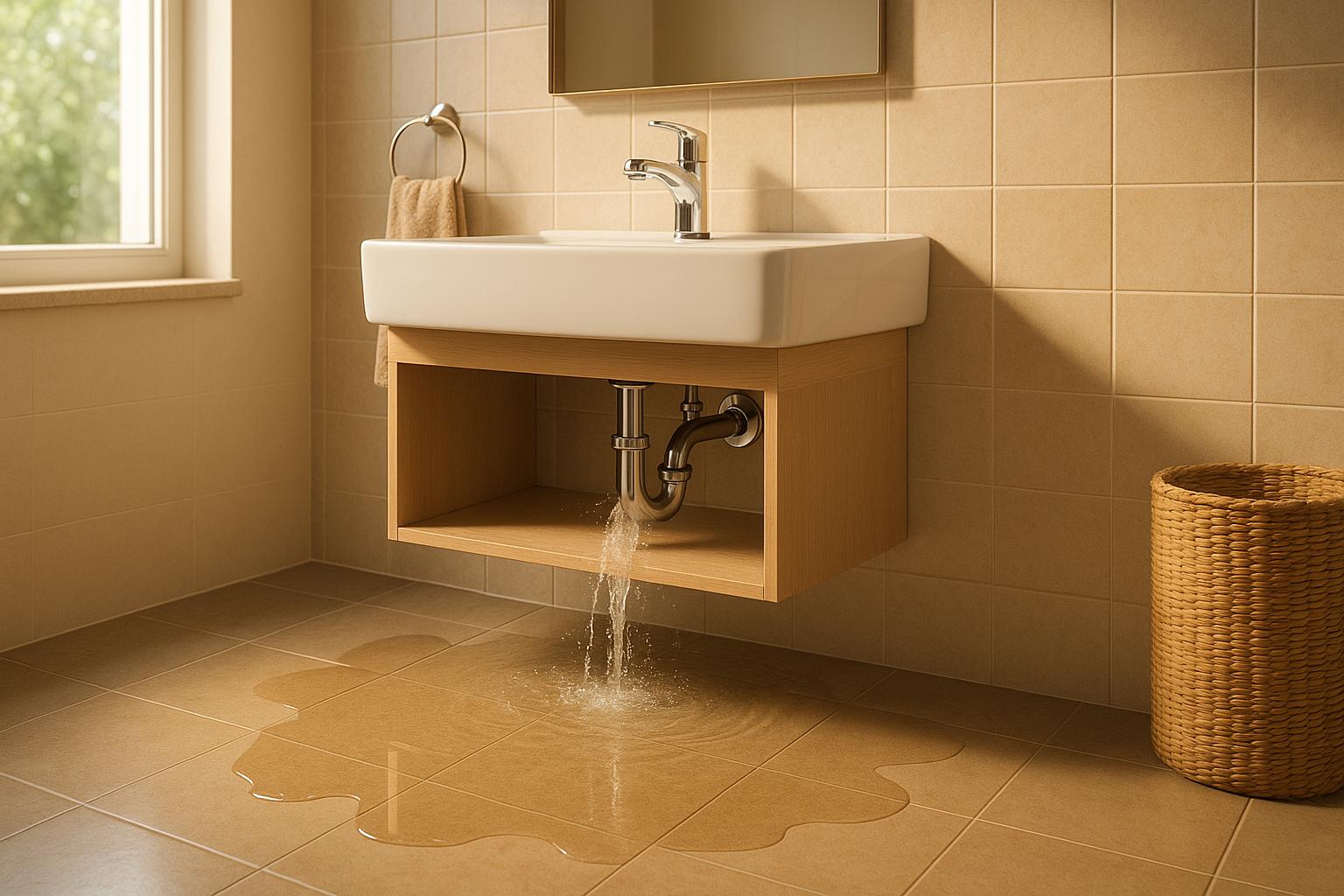
Plumbing emergencies can strike at any time, causing costly damage and serious health risks if not addressed quickly. Here are five key signs that you need immediate help from a professional plumber:
- Burst Pipes: Look for standing water, reduced water pressure, or unusual noises. Shut off your main water supply to prevent further flooding.
- Sewage Backups: Foul odors, slow drains, or water backing up into sinks and toilets indicate a serious problem. Stop using water and call a plumber immediately.
- No Running Water: Check for frozen pipes, valve issues, or main line leaks. If neighbors are unaffected, it’s likely a localized plumbing issue.
- Major Leaks or Flooding: Watch for water stains, ceiling damage, or unusual sounds. Shut off water, remove standing water, and document damage for insurance claims.
- Water Heater Failures: Signs include inconsistent water temperature, discolored water, or leaks near the heater. Address issues promptly to avoid costly replacements.
Act fast to minimize damage and protect your home. Contact a professional plumber at the first sign of trouble to ensure safe and effective solutions.
When Should You Call An Emergency Plumber? | Top Plumbing Issues You Can’t Ignore
Burst Pipes
A burst pipe is one of the most damaging plumbing emergencies homeowners can face. Between 2016 and 2020, water damage and freezing accounted for nearly 29% of all homeowners insurance claims, with an average claim cost of $11,098. Within just hours, a burst pipe can compromise your home’s structure, leaving you with a costly mess to clean up.
Freezing temperatures are the leading cause of burst pipes. When water freezes, it expands, creating enough pressure to crack pipes wide open. Other potential causes include aging pipes that corrode over time, tree roots invading underground lines, mineral buildup from hard water, clogs, and excessive water pressure. Ideally, water pressure should stay between 30 and 50 PSI, with a maximum of 60 PSI to avoid strain on your plumbing. Knowing these risks can help you act quickly when trouble arises.
How to Spot a Burst Pipe
Catching a burst pipe early can save you thousands in damages. One of the most obvious signs is standing water in places it shouldn’t be. If you see unexplained puddles, act fast and investigate.
Lower water pressure is another warning sign. If your faucets or showerheads suddenly lose flow, or if the pressure drops throughout your home, it could indicate a rupture somewhere in the system. Strange noises, such as hissing, banging, or gurgling from pipes or walls, are also worth noting.
Pay attention to water quality and odors. Discolored water – especially if it’s rusty, brown, or murky – can point to corrosion and pipe failure. Similarly, a spike in your water bill might hint at a hidden leak. Look for water stains on walls or ceilings, which often appear as damp, yellow, or brown patches, signaling water has been seeping through.
What to Do Right Away
Time is of the essence when dealing with a burst pipe. The first step is to shut off your main water supply immediately. This will stop the flow and help prevent further flooding. Make sure you know where your main shutoff valve is located before an emergency occurs – it’s a crucial piece of knowledge that can save you valuable time.
Once the water is off, drain the system by opening faucets and flushing toilets. This reduces pressure and minimizes the risk of additional damage. If the burst pipe is near electrical outlets, appliances, or your electrical panel, turn off the power to that area to avoid the risk of electrocution.
Next, remove standing water as quickly as possible using mops, buckets, or a wet/dry vacuum. The faster you act, the less damage your floors, walls, and furniture will sustain. Use fans and dehumidifiers to dry the area thoroughly, as mold can begin to grow within 24 hours of water exposure.
Before starting any cleanup, document the damage. Take photos and videos of everything for your insurance claim. This evidence will be critical in ensuring you receive proper compensation.
"A burst water pipe in your home can cause more than $5,000 in damage, so it’s important to act quickly." – The Hanover Insurance Group
Finally, call a professional plumber immediately. Burst pipes require expert attention to ensure the problem is fully resolved. A plumber can assess your system for further vulnerabilities and make proper repairs. Avoid attempting DIY fixes – improper repairs can lead to even bigger problems and higher costs down the line.
Sewage Backups
Sewage backups are among the most hazardous plumbing emergencies you can face. Unlike clean water leaks, sewage water is loaded with harmful contaminants like human waste, bacteria, viruses, and toxins that can pose serious health risks to your family. According to the American Society of Home Inspectors, 60% of homeowners experience water damage at some point, with a significant number of these cases caused by sewer backups.
When sewage water infiltrates your home, it spreads dangerous pathogens throughout your living space. Acting quickly and seeking professional help is essential to protect both your family’s health and the value of your property. Spotting the warning signs early can make all the difference.
Signs of a Sewage Backup
Catching the signs of a sewage backup early can help you minimize damage and avoid health hazards. One of the most noticeable indicators is a foul odor coming from drains, toilets, or basement areas. These smells are far more intense and unpleasant than typical drain odors.
Another red flag is when multiple drains in your home start to slow down simultaneously. This often points to a blockage in the main sewer line, affecting the entire plumbing system.
Be alert for water backing up into toilets, bathtubs, or floor drains – especially in basement areas. This kind of backup often contains visible waste and debris, making it clear that you’re dealing with sewage. You might also hear gurgling sounds from drains when flushing toilets or running water in other parts of the house.
More severe warning signs include overflowing sinks and toilets, puddles of contaminated water in unexpected places, sinkholes forming in your yard, and mold or mildew growth in affected areas. These issues demand immediate attention to prevent further damage.
Why You Can’t Wait to Fix This
When it comes to sewage backups, quick action is crucial to avoid serious health and structural problems. Delaying repairs can expose your family to significant health risks. Homes affected by sewage backups see an increased risk of illnesses by up to 25%. Contact with raw sewage can lead to conditions like gastroenteritis, hepatitis A, and respiratory infections, with children, the elderly, and those with weakened immune systems being particularly vulnerable.
The risks don’t stop at direct contact. Airborne contaminants from sewage can spread bacteria and trigger respiratory issues throughout your home.
On top of health concerns, sewage backups can cause structural damage to your property. When sewage seeps into the ground near your home’s foundation, it can weaken the structural integrity and lower your property’s market value – even after professional cleanup.
The problem doesn’t just affect your home. Untreated sewage can contaminate local water sources, harming wildlife and impacting your community. In some cases, this contamination could lead to municipal fines or legal consequences for environmental damage.
If you suspect a sewage backup, stop using all water fixtures immediately and shut off your main water supply to prevent further contamination. If you need to enter affected areas, wear protective gear like rubber gloves, waterproof boots, and a face mask to shield yourself from harmful bacteria and airborne pathogens.
Most importantly, call a professional plumber right away. Sewage backups require specialized tools and expertise that go beyond standard plumbing repairs. Professional cleanup includes thorough sanitization procedures that only trained experts can safely handle.
No Running Water
When the faucet runs dry, it’s more than just an inconvenience – it’s a full-blown disruption to daily life. A sudden loss of water supply can bring everything to a standstill, pointing to potentially serious plumbing issues that demand immediate attention. Considering the average American family uses around 300 gallons of water daily, it’s clear how vital a steady water supply is to keep things running smoothly.
What Causes Water Supply Problems
A lack of running water can stem from a variety of issues, and identifying the root cause is essential to understanding whether the problem is isolated to your home or part of a larger outage.
Municipal Water Supply Issues
The first thing to check is whether the problem originates with your city or town’s water system. Scheduled maintenance, accidents, or a city-wide outage could be the culprit. A quick chat with your neighbors can help determine if the issue is more widespread.
Frozen Pipes
Winter months can wreak havoc on plumbing. When temperatures drop, pipes may freeze, blocking water flow and increasing the risk of pipe bursts.
Valve Problems
Both the main shutoff valve and the water meter valve play critical roles in water delivery. If either is malfunctioning or improperly adjusted, your water supply can be disrupted.
Aging or Damaged Pipes
The condition of your home’s plumbing system matters. Galvanized steel pipes, for instance, are prone to corrosion after about 20 years, while copper pipes generally last at least 50 years and brass pipes around 40 years. As pipes age, they can become blocked or fail, causing significant interruptions.
Well Water Systems
For homes relying on wells, the issue might involve a tripped breaker, a malfunctioning pump, or even a frozen supply line. These systems rely on electrical components, which can fail unexpectedly.
Main Line Leaks
Major leaks in the main water line can lead to a noticeable drop in water pressure or a complete loss of supply. These leaks are often hidden underground between your home and the street, making them harder to detect.
Each of these issues can disrupt your water supply and, by extension, your daily life.
How This Affects Your Daily Life
The absence of running water immediately throws daily routines into chaos. Tasks like showering, cooking, and cleaning grind to a halt, creating hygiene and health concerns – especially when preparing meals or caring for children.
Without water, even heating systems that rely on it can shut down, which is particularly dangerous during colder months. This can lead to additional problems, like frozen pipes, compounding the situation.
Bathroom facilities are another critical area affected. Toilets that can’t refill after flushing quickly create unsanitary conditions. Meanwhile, the financial strain grows as you may need to purchase bottled water, seek temporary accommodations, or pay for emergency repairs if the problem escalates.
If your home is the only one impacted, it’s likely a localized plumbing issue. Start by checking the main shutoff valve and confirming whether neighbors are experiencing similar problems. Persistent issues should always be addressed by a professional to restore your water supply and prevent further complications.
sbb-itb-1e60d4b
Major Water Leaks and Flooding
Major water leaks and flooding can wreak havoc on your home in no time, causing extensive damage and hefty repair bills. From 2018 to 2022, water damage and freezing accounted for roughly 25% of home insurance claims, with the average claim nearing $14,000. Even a seemingly minor amount, like 1 inch of water, can result in up to $25,000 in damages.
These leaks can stem from a variety of sources, including plumbing or appliance failures, roof leaks, or even natural disasters. Heavy rainfall, sewer backups, and other climate-related factors can overwhelm drainage systems, while structural issues like burst pipes or foundation cracks only add to the risk. What makes these situations particularly alarming is how quickly they can escalate. A minor leak might seem manageable at first, but it can turn into a full-blown flooding emergency before you know it.
"Most homes have at least some degree of flood risk, regardless of their location." – Courtney Klosterman, home insights expert at Hippo Insurance
How to Find Major Leaks
Catching major leaks early is key to avoiding severe damage. Start by looking for visible signs like standing water, damp areas in your basement, or puddles near appliances and fixtures. These are often the first clues that something’s wrong.
Ceiling and wall damage can reveal hidden leaks. Pay attention to bubbling paint or yellowish-brown stains on your ceiling – these often indicate water seeping from above. On walls, peeling paint, warped drywall, or a musty smell could point to water trapped inside.
Foundation issues are harder to spot but just as critical. As Matt Wojciechowski, district service manager at Groundworks, explains:
"Water damage to your home’s foundation can be tricky to identify. A home’s foundation is supposed to be clean and dry. If you find your foundation walls are constantly damp or wet, chances are water seeping through."
Unusual sounds can also tip you off to hidden problems. Listen for continuous dripping, hissing from pressurized pipes, or gurgling noises, which could signal blockages or air trapped in your plumbing.
Another effective method is monitoring your water meter. Turn off all water in your home, and if the meter continues to run, you likely have a hidden leak. Keep an eye on your water bill, too – unexpected spikes could mean water is leaking somewhere in your system. On average, households waste over 10,000 gallons of water annually due to leaks.
For extra peace of mind, consider using smart water leak detectors. These devices monitor moisture levels and water flow, sending real-time alerts to your phone when something’s off. They can catch issues before they spiral into costly emergencies.
How to Limit the Damage
Once you’ve identified a leak, quick action is crucial to minimize damage. Start by shutting off the main water supply to prevent further flooding. The shutoff valve is usually located near your water meter or where the main line enters your home – turn it clockwise to close it completely.
Next, remove standing water as quickly as possible using pumps, vacuums, or even mops. The longer water sits, the more harm it does to your floors, walls, and belongings. Move any valuable items or electronics to higher ground or dry areas immediately.
Document the damage thoroughly before starting cleanup. Take photos and videos of the water source, affected areas, and damaged items. This step is essential for filing insurance claims and helps restoration experts assess the situation.
Proper ventilation and drying are critical to preventing mold growth, which can start within 24 to 48 hours in damp conditions. Open windows, run fans, and use dehumidifiers to reduce moisture in the air.
For severe leaks or flooding, professional help is often necessary. Emergency plumbers can locate and repair the source of the leak, while water damage restoration specialists ensure your home is thoroughly dried and repaired.
Finally, contact your insurance company right away to report the damage and begin the claims process. Many policies cover sudden water damage from events like burst pipes, though coverage for flooding caused by external factors may vary.
It’s worth noting that 10% of homes have leaks wasting 90 gallons or more daily. Regularly inspecting your plumbing, appliances, and roofing can help catch issues early. But when a major leak strikes, acting fast and calling in the experts can make all the difference in protecting your home and wallet.
Water Heater Problems
Water heater issues can throw your daily life into chaos, especially since most traditional systems tend to fail after 8–12 years (though tankless models often last longer). When a water heater starts breaking down, it’s not just inconvenient – it can also pose serious safety hazards. Much like burst pipes or sewage backups, a malfunctioning water heater demands immediate attention to protect your home and well-being.
Catching the warning signs early can save you from costly emergencies and unnecessary stress.
Signs Your Water Heater Is Broken
Here are some telltale signs that your water heater might be on its last legs:
- Inconsistent water temperature: If your water cools off quickly or never heats beyond lukewarm, even with high settings, there’s likely a problem.
- Discolored or foul-smelling water: Rusty, brown, or yellow water from your hot taps often points to internal corrosion. A strange odor could also signal serious internal issues.
- Unusual noises: Popping or rumbling sounds coming from the tank often mean sediment has built up at the bottom. Over time, this buildup forces the heater to work harder, potentially damaging internal components.
- Visible leaks: Even small puddles near your water heater can indicate trouble, such as failing internal parts, loose connections, or tank corrosion. A completely failed water heater can leak up to 500 gallons per hour, causing significant damage if left unchecked.
- Fluctuating water pressure: Low pressure from hot water taps could mean sediment clogs or blockages inside the system.
- Higher energy bills: If your energy costs are climbing without any change in usage, your water heater may be working overtime to compensate for internal problems.
Spotting these red flags early can help you avoid bigger, costlier problems down the road.
Why You Need Fast Repairs
When you notice these signs, acting quickly can save you money and prevent further damage. Ignoring the problem can lead to escalating repair costs, reduced efficiency, and even health risks like mold growth in water-damaged areas.
For example, sediment buildup or minor leaks can sometimes be fixed with repairs. But if left unaddressed, these small issues could mean replacing the entire unit instead. Repair costs typically range from $221 to $964, while a full replacement can climb to $1,800.
Delaying repairs isn’t just a financial risk – it’s a safety issue. Gas water heaters can develop gas leaks or lose flame control, which can be extremely dangerous. Electric units with faults might pose fire or electrical hazards, and malfunctioning gas heaters could leak carbon monoxide, which is life-threatening.
Beyond safety, the disruption to your daily routine is hard to ignore. Reliable hot water is essential for everything from showers to cooking and cleaning. Attempting DIY fixes or postponing professional repairs can also void your warranty, leaving you to shoulder the full cost of a replacement.
Experts emphasize that neglecting water heater issues can lead to a domino effect of problems and much higher costs over time. The best approach? Pay attention to the warning signs, act fast, and schedule regular maintenance to keep your water heater running smoothly. A little effort now can save you from a major household disaster later.
When to Call a Plumber
Understanding when to call a plumber can save you from turning a manageable issue into an overwhelming disaster. Acting quickly when you notice warning signs can prevent expensive damage and keep your family safe. Often, the difference between a small repair and a major catastrophe is how fast you respond.
Main Signs You Have a Plumbing Emergency
Some emergencies demand immediate attention – burst pipes, sewage backups, total water loss, major leaks, and water heater failures are at the top of the list. If water is gushing uncontrollably, don’t wait. Sewage backups are another critical issue, as they bring serious health risks due to contaminated water.
A complete loss of running water throughout your home signals a major problem that impacts your daily needs. Major leaks and flooding can compromise your home’s foundation and cause extensive property damage if ignored. Water heater failures not only disrupt your routine but can also pose safety risks.
Other signs to watch for include persistent leaks, sudden drops in water pressure, visible water damage on walls or ceilings, and foul odors coming from drains or fixtures. If you detect the smell of gas, this is a serious warning – turn off your gas supply immediately and call for help.
"Plumbing emergencies should be avoided to ensure the safety of you and your family while protecting your home and water supply."
– Drain Works Plumbing
Low water pressure often points to leaks, damaged pipes, or a failing pressure regulating valve. When in doubt, it’s always better to err on the side of caution. If your plumbing issue involves gas or electricity, call a professional plumber right away.
Why Choose Longmont Emergency Plumbers
When plumbing emergencies strike, quick action by skilled professionals is crucial. Longmont Emergency Plumbers provides 24/7 emergency services with certified experts who are ready to handle any crisis. Their approach prioritizes not just showing up but delivering fast, reliable service to safeguard your home and family.
"When a pipe bursts or your toilets overflow, you need a trusted team of professionals to come to your aid. Our emergency plumbers have the skills and experience to tackle any plumbing crisis, ensuring your home remains safe."
– Lion Home Service
Every moment of delay can increase the damage and repair costs.
"We understand time is of the essence during a plumbing emergency. That’s why we strive to respond quickly and arrive at your location ASAP."
– Lion Home Service
What makes them stand out is their transparent pricing – no hidden fees or surprise charges to add stress during an already difficult time. Whether it’s a burst pipe at dawn or a sewage backup during a holiday, their team combines expertise with urgency to help you get back to normal as fast as possible.
Conclusion
Understanding the five warning signs of plumbing emergencies – burst pipes, sewage backups, no running water, major leaks, and water heater failures – can save you from costly repairs and protect your household’s well-being. These emergencies can lead to immediate water damage, which not only ruins surfaces but can also encourage mold growth and pose serious health risks if left unchecked. Being aware of these risks empowers you to act quickly and effectively.
Stop Problems Before They Escalate
The line between a quick fix and a full-blown disaster often comes down to how swiftly you respond. As one expert puts it:
"Ignoring plumbing issues can lead to serious long-term consequences that are often more costly and damaging than addressing problems immediately."
– Burkhardt Heating, Cooling, Plumbing & Electric
If you spot any of these warning signs, your first step should be to shut off the main water supply. Make sure everyone in your household knows how to do this and stays informed about regular maintenance practices to avoid further complications. Acting promptly and seeking professional help can make all the difference in protecting your home.
Call Longmont Emergency Plumbers for Immediate Assistance
While prevention is crucial, professional help is often necessary when emergencies strike. Longmont Emergency Plumbers provides 24/7 emergency services, including same-day assistance, to address issues like burst pipes, sewage backups, water heater failures, and major leaks. Their certified technicians are available every day of the year – even on weekends and holidays – ensuring you get the help you need when you need it most.
When contacting Longmont Emergency Plumbers, provide as much detail as possible to ensure a quick response. Their transparent pricing means no hidden fees, allowing you to focus on restoring your home without additional worries.
"When you choose Lion Home Service for your emergency plumbing jobs, you can rest assured that you’re getting top-notch service."
– Lion Home Service
Plumbing emergencies don’t wait for a convenient time, whether it’s the middle of the night or during a holiday gathering. Your response shouldn’t wait either. Reach out to the experts who are ready to help, no matter the hour.
FAQs
What should I do right away if I think a pipe has burst in my home?
If you think you’re dealing with a burst pipe, it’s crucial to take action right away to limit the damage. Start by shutting off your main water supply to stop the water from flowing. Then, open the nearest faucets to release pressure and drain any leftover water in the pipes. Once that’s done, reach out to a licensed plumber as soon as possible to evaluate the situation and carry out the needed repairs. Quick action can save you from more extensive property damage and expensive repair bills.
What’s the difference between a minor plumbing issue and a plumbing emergency that requires immediate attention?
A minor plumbing issue could be something as simple as a small leak, a slow-draining sink, or a dripping faucet. These problems typically don’t pose an immediate risk to your home or health and can often wait until you’re able to schedule a repair.
A plumbing emergency, however, is a different story. This includes scenarios like burst pipes, major water leaks, sewage backups, or situations where you have no running water. These issues can lead to serious property damage, disrupt your daily routine, and even create potential health risks. If you’re dealing with any of these problems, it’s crucial to contact a professional plumber immediately to limit damage and get your home back to normal as quickly as possible.
What health risks can sewage backups cause, and how can I keep my family safe during an emergency?
Sewage backups can bring serious health hazards into your home, putting your family at risk for gastrointestinal illnesses, skin infections, and respiratory problems. These issues stem from harmful bacteria, viruses like Hepatitis A and Norovirus, and even airborne contaminants. The longer the exposure, the greater the risk, so acting quickly is essential.
To safeguard your family, avoid any direct contact with the sewage. Use protective gear such as gloves and masks, and make sure the area has proper ventilation. Keep children and pets far from the affected zone, and reach out to a professional cleanup service immediately to ensure the problem is resolved safely and effectively.