
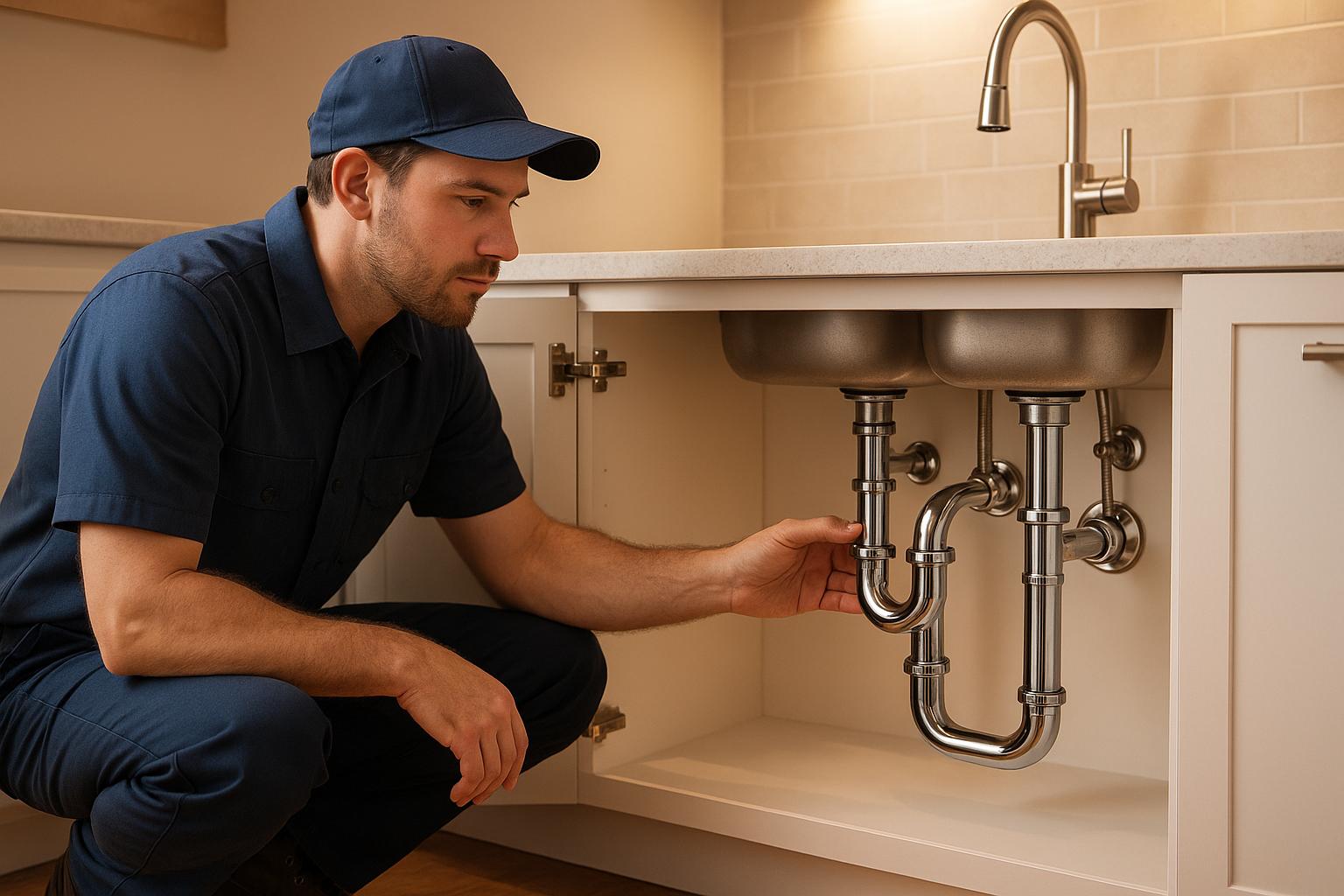
When hiring a plumber in Longmont, CO, ensure they meet local and state plumbing codes, hold valid licenses, and have proper insurance. Longmont follows the 2021 International Plumbing Code (IPC) and will adopt the 2024 ICC codes on January 1, 2026. Non-compliance risks include safety hazards, fines, and legal issues.
Key Steps:
- Verify Licensing: Check credentials through the Colorado State Plumbing Board.
- Confirm Insurance: Ensure they have liability and workers’ compensation coverage.
- Assess Code Knowledge: Ask about their experience with Longmont’s plumbing codes.
- Inspection Coordination: Confirm they handle permits and inspections.
- Emergency Services: Choose a plumber offering 24/7 availability for urgent issues.
Hiring a qualified, code-compliant plumber protects your property, ensures safety, and avoids costly rework.
Understanding Local Plumbing Codes in Longmont, CO
Overview of Longmont Plumbing Regulations
In Longmont, all plumbing work must comply with the city’s building codes. As of January 1, 2022, Longmont adopted the 2021 International Codes, including the International Plumbing Code (IPC), which regulates plumbing installations and repairs within the city limits. Additionally, the city follows the 2021 International Fire Codes.
For plumbing systems that involve electrical components, Longmont has adopted the 2023 Edition of the National Electrical Code (NEC), effective July 24, 2024. These regulations include specific amendments that plumbers need to follow, especially for tasks like water heater installations and sump pump setups. The city also enforces strict guidelines regarding carbon monoxide detectors. Understanding and adhering to these codes is crucial to avoid safety hazards and potential fines.
Why Code Compliance Matters
Longmont’s strict plumbing codes are in place for good reason. Non-compliance can lead to a range of problems, from safety risks to financial penalties. For example, improper venting could allow dangerous gases to seep into a home, while incorrect pipe sizing might cause pressure imbalances throughout the system. Beyond safety issues, non-compliance can result in fines, project delays, and higher labor costs due to rework. There’s also the risk of legal liability if faulty plumbing causes property damage or injuries, which could jeopardize insurance claims.
The IPC, along with the Uniform Plumbing Code (UPC), is widely recognized across the United States. By adopting the IPC, Longmont reinforces its commitment to maintaining reliable and tested plumbing standards.
Recent Code Updates in Longmont
Looking ahead, Longmont is preparing to adopt the 2024 ICC codes on January 1, 2026. These updates will bring new requirements for both residential and commercial projects. The city plans to emphasize stricter criteria for electric-preferred stretch codes and align with the State of Colorado Energy Code. The City Council will soon review these energy code updates.
Some key changes in the 2024 IPC include updates to door locking rules in toilet facilities, improved soil protection standards, revised showerhead flow rates, and new specifications for plastic sewer piping. Both plumbers and property owners should stay informed about these changes to ensure their projects meet the updated requirements once they take effect.
Why Should You Hire A Licensed Plumber? (Permits, Experience, Materials)
Verifying Plumber Credentials and Licensing
Making sure a plumber has the right credentials and insurance helps ensure they follow Longmont’s plumbing codes properly.
Checking Colorado State Plumbing Licenses
In Colorado, plumbers must have a valid state license to work legally. The Colorado State Plumbing Board, under the Department of Regulatory Agencies (DORA), handles licensing and enforces strict standards for plumbers. Licenses are issued based on experience, ranging from 2 years for a Residential Plumber to 5 years for a Master Plumber.
You can verify a plumber’s license through DORA’s online system. This tool lets you check the license status, expiration date, and any disciplinary actions. Keep in mind, Colorado doesn’t have license reciprocity with other states, so plumbers must meet the state’s specific requirements. Additionally, for plumbing contractor work in Longmont, a contractor license (Class P) is required. Contractors must also register with the State of Colorado and the Division of Building Inspection. This registration includes details like the applicant’s name, business location, and the Master Plumber’s name and license number.
After confirming a plumber’s license, make sure to check their bonding and insurance coverage.
Bonds and Insurance Requirements
Bonding and insurance provide financial protection when hiring a plumber. A bond ensures the contractor will fulfill their obligations . Insurance, on the other hand, covers liabilities like injuries to workers or damage to property during the project. It can also protect you if the contractor is found responsible for property damage or bodily injury.
To verify a contractor’s bond, ask for their bond certificate and number, then contact the surety company directly. You can also check this information online through state licensing boards or other verification platforms. For insurance, request proof of coverage and contact the insurance provider to confirm the policy is active and matches your project’s scope. While bonds protect you if the contractor doesn’t meet their obligations, insurance safeguards against accidents and injuries during the work.
Certifications for Large Projects
For more complex plumbing projects, additional certifications can highlight a plumber’s expertise. In Longmont, contractors working on large-scale commercial or intricate residential projects must have a master plumbing license and be registered as plumbing contractors. A master plumber certification signifies advanced skills, requiring 5 years (8,500 hours) of documented experience and passing rigorous exams on plumbing systems, code compliance, and project management. Master plumbers are qualified to handle complex installations and supervise other plumbers.
Although not legally required, certifications from organizations like the National Inspection Testing and Certification (NITC) or the International Association of Plumbing and Mechanical Officials (ASSE) can further demonstrate a plumber’s specialized skills. These certifications cover areas such as backflow prevention, water quality testing, and advanced system design. If you’re hiring for a large project, make sure the plumber has proper insurance, including general liability and workers’ compensation if they employ others, to protect against accidents or property damage.
Carefully reviewing these credentials ensures your project aligns with Longmont’s strict code standards.
Checking Code Knowledge and Inspection Processes
When hiring a plumber in Longmont, it’s not just about their credentials. It’s equally important to assess their familiarity with local plumbing codes and their ability to handle the inspection process smoothly.
Testing Code Knowledge and Training
A good plumber should demonstrate a solid grasp of Longmont’s plumbing codes and how they apply to your project. Ask for examples of recent projects they’ve worked on and have them explain how they tackled specific code requirements. During your conversations, inquire about their understanding of Colorado’s plumbing codes, particularly how they approach the International Plumbing Code (IPC) and its local amendments. Longmont’s unique climate demands materials that can withstand temperature extremes, so make sure they’re familiar with these considerations. This expertise is essential to ensure the work complies with all relevant standards and passes inspections without issues.
Inspection Coordination Process
Once you’ve confirmed their code knowledge, evaluate how well they manage the inspection process. Reliable plumbers should notify the inspection authority at least eight hours in advance and provide a clear timeline for inspections at each project stage. For example, inspections are typically required during phases like footings, framing, insulation, and final checks of plumbing and mechanical systems. Throughout the project, they should ensure all plumbing systems meet both state and local regulations. A dependable plumber will also come prepared with proper documentation during inspections, making the process more efficient.
Required Compliance Documentation
Proper documentation is critical for Longmont plumbing projects to confirm code compliance. Plumbers should keep approved plans and permit cards readily available during all phases of the work. These documents prove that the work aligns with approved specifications and meets local requirements. Before starting the project, ask the plumber to explain the compliance documentation they’ll provide upon completion. Additionally, make sure they maintain thorough records, including permits and inspection reports, as these can be valuable for insurance claims, property sales, or future renovations. Finally, request a detailed, written quote that outlines their plan for meeting inspection requirements, specifies the inspections needed and their timing, and lists the documentation they’ll deliver when the job is done.
sbb-itb-1e60d4b
Emergency Plumbing Services
When plumbing emergencies happen, having a reliable, skilled professional on call can make all the difference. Emergencies don’t wait for convenient times, and 30% of emergency plumbing calls occur outside of regular business hours. This underscores the importance of emergency services that not only respond quickly but also adhere to local codes and regulations. Code-compliant emergency plumbing is essential to protect your property and ensure safety during unexpected situations.
24/7 Emergency Service Availability
It’s crucial to confirm that your emergency plumber offers true 24/7 availability, along with fast response times. They should also have valid licenses and stay updated with continuing education requirements.
For instance, Longmont Emergency Plumbers provides round-the-clock emergency plumbing services in Longmont, CO. Their team is ready to assist both residential and commercial clients, even on weekends and holidays, offering same-day service. Their focus on timely, code-compliant repairs helps prevent excessive damage costs.
Temporary Utility Services
After an emergency plumber arrives, temporary measures are often necessary to maintain safety until permanent repairs can be completed. A skilled plumber should be able to safely shut off water supplies, set up temporary bypasses for essential utilities, and ensure that all interim solutions meet Longmont’s plumbing and electrical codes.
Additionally, service vehicles should be fully stocked to handle most repairs on the spot. Transparent pricing is key – this includes clear details about base rates and any potential holiday surcharges.
Emergency Service Coverage
Top-tier emergency plumbers are equipped to handle a wide range of urgent issues while maintaining strict code compliance. Look for professionals with experience managing high-risk situations like gas leaks, sewer overflows, and slab leaks.
Emergency services should cover essential repairs such as water heaters, drain cleaning, pipe fixes, faucet replacements, toilet repairs, sewer backups, and garbage disposal installations. Every repair must meet the standards outlined in the Colorado Plumbing Code.
Before any work begins, ensure the plumber is bonded, insured, and provides warranties for their services. Reputable professionals will communicate clearly throughout the process, explaining their approach and how it aligns with regulatory requirements. These practices reflect Longmont’s dedication to safe and compliant plumbing solutions.
Comparing Plumbers for Compliance and Service Quality
When choosing a plumber, it’s essential to assess their licensing, insurance, knowledge of codes, ability to coordinate inspections, and availability for emergencies. For example, in Colorado, plumbing licenses expire in odd-numbered years. These factors ensure both code compliance and high-quality service.
Key Factors to Check
Start by checking the plumber’s license through the Colorado State Plumbing Board. Colorado offers three license levels: residential, journeyworker, and master plumber. For more complex jobs, you’ll need a master plumber.
Next, confirm insurance coverage. While general liability insurance isn’t a requirement for a Colorado plumbing license, it’s strongly advised. If the plumber employs a team, they should also have worker’s compensation and commercial auto insurance for their service vehicles.
Make sure the plumber is familiar with relevant codes like the IPC, IFGC, and specific Longmont amendments. A trustworthy plumber should be able to share examples of past projects that demonstrate their ability to meet these standards.
Emergency service availability is another critical factor. True 24/7 service – covering nights, weekends, and holidays – is vital, especially since mold can start forming within 24–48 hours of water exposure.
By focusing on these criteria, you’ll be better equipped to find a plumber who meets Longmont’s strict standards for reliability and code compliance.
Comparison Table
Here’s a quick overview of the essential factors to consider:
| Factor | Description | Why It Matters |
|---|---|---|
| Licensing & Certification | Valid Colorado plumbing license and proper insurance | Ensures legal compliance and liability protection |
| Knowledge of Local Codes | Familiarity with Longmont amendments | Guarantees work meets current standards |
| Inspection Coordination | Manages permits and city inspections | Ensures smooth project completion |
| Emergency Service Availability | 24/7, same-day response | Addresses urgent issues promptly |
| Documentation & Transparency | Provides written estimates and compliance proof | Builds trust and ensures accountability |
Longmont Emergency Plumbers stand out by meeting these standards. They offer true 24/7 emergency services with same-day responses for both residential and commercial needs. Their commitment extends to weekends and holidays, and they provide a full range of services like water heater repair, drain cleaning, and pipe repairs – exactly the level of dedication you should expect from a professional plumber.
Additionally, verify that plumbers fulfill Colorado’s continuing education requirements, which include eight hours annually, with at least four focused on codes. Check with Longmont’s Division of Building Inspection to confirm local registration. Always request written quotes detailing the scope of work, costs, and timelines. The best plumbers will clearly explain their methods and demonstrate how they align with state and local regulations.
Conclusion
When hiring a plumber in Longmont, it’s important to prioritize technical skills and verified credentials. Ensuring they comply with the IPC, IRC, and IFGC standards is key to protecting your home and ensuring the work is done correctly. A plumber who understands and follows these codes demonstrates their expertise and commitment to quality.
Make sure they handle all necessary permits and inspections, keeping the work accessible and aligned with local regulations. This attention to detail can save you from future headaches.
Another critical factor is access to 24/7 emergency services. Plumbing issues can quickly spiral out of control, so having a reliable professional available at all hours is invaluable.
Finally, look for plumbers who provide detailed, written estimates and communicate openly about compliance and project specifics. Transparency and professionalism go a long way in ensuring your property’s safety and your peace of mind.
FAQs
What could go wrong if I hire a plumber who doesn’t understand Longmont’s plumbing codes?
Hiring a plumber who doesn’t know Longmont’s plumbing codes can cause big problems. Code violations might mean fines, failed inspections, or costly repairs to fix the issues. Beyond that, ignoring these regulations could hurt your property’s value or even create safety risks for your home or business.
To steer clear of these headaches, make sure to hire a plumber who’s well-versed in local rules. This way, your plumbing is done correctly the first time, giving you confidence that your system is both safe and compliant.
How can I make sure a plumber in Colorado is licensed and insured?
To verify if a plumber is licensed in Colorado, start by checking their credentials through the Colorado Division of Professions and Occupations. You can also ask the plumber for their license number and cross-check it with the state for accuracy.
When it comes to insurance, ask for a copy of their insurance certificate. Then, reach out to the insurance provider to confirm that the policy is valid and current. Having both proper licensing and insurance is crucial to safeguard your home and ensure the work complies with local laws.
What responsibilities does a plumber have regarding permits and inspections for my project?
When you hire a professional plumber, they take care of securing the required permits before beginning your project. They’re also in charge of scheduling inspections at critical points during the work to make sure everything aligns with local building codes and regulations. Should any problems come up during these inspections, it’s their job to resolve them quickly to meet the necessary standards.
By managing these responsibilities, your plumber helps keep the project on track while steering clear of any legal or safety issues.